






EXPERTS
The MyHealthTeam
Medical Expert Panel
Top condition physicians tell you what they tell their own patients to help improve your conversations with your doctors.
- Award-winning articles
- On-demand Q&A video interviews
- Virtual events
Get the latest information from the experts in your condition.
EXPERTS
The MyHealthTeam
Medical Expert Panel
Top condition physicians tell you what they tell their own patients to help improve your conversations with your doctors.
Ready To Engage?
Are you a medical specialist ready to coach people living with a chronic condition when and where they seek online health information? Join the MyHealthTeam Medical Expert Panel.
Ready To Engage?
Are you a medical specialist ready to engage patients when and where they’re seeking information about their health online? Join the MyHealthTeam Medical Expert Panel.
Meet Some of Our Medical Experts
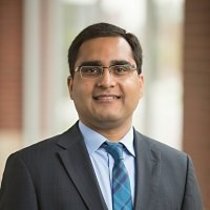
Tauseef Ali,
M.D.
Dr. Tauseef Ali is a clinical assistant professor of medicine at the University of Oklahoma
Read more
Tauseef Ali,
M.D.
Chief of Gastroenterology, SSM Health St. Anthony Hospital
Dr. Tauseef Ali is a clinical assistant professor of medicine at the University of Oklahoma in the section of digestive disease and nutrition. He is the chief of the gastroenterology department at SSM Health St. Anthony Hospital, where he also serves as director of the IBD clinical and research program. He is a fellow of the American College of Physicians, the American Gastroenterology Association,and the American College of Gastroenterology.
Dr. Ali graduated from King Edward Medical University in Pakistan. He completed his residency (2006) and fellowship (2009) program from the University of Oklahoma Health Sciences Center. He was also selected as the Crohn’s and Colitis Foundation of America visiting IBD fellow at the University of Chicago (2008).
His clinical interest includes inflammatory bowel disease. He was the recipient of the American Gastroenterology Association Bridges to Excellence Award to provide quality service to IBD patients. He is the author of “Crohn’s and Colitis for Dummies” by Wiley publishers. He has served on the American College of Gastroenterology (ACG) International Relations, Training, Educational Affairs, and Public Relations committees. He has been the recipient of the ACG United States and World Gastroenterology Train the Trainers Program Travel Award. He is currently serving as section editor for inflammatory bowel disease in the ACG Self-Assessment Test subcommittee. His research interest is in sleep-related disorders in IBD patients. He is on the editorial board for the World Journal of Gastroenterology and several other journals. He is an active member of the American College of Physicians, the American Gastroenterology Association, and the Crohn’s and Colitis Foundation. He is an active member of the Government and Industry Affairs Committee and the Diversity and Inclusion Task Force of the Crohn’s and Colitis Foundation. He is also recognized as the community leader and moderator for the ACG and CCFA IBD Circle, an online physician discussion forum. He regularly tweets through his educational twitter accounts @ibdtweets and @ibdclub. Dr. Ali is currently serving as the American College of Gastroenterology Governor for the Oklahoma Chapter.
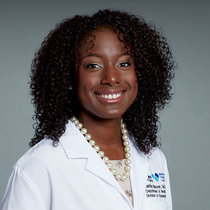
Ashira Blazer,
M.D.
Dr. Ashira Blazer is an assistant professor in the New York University School of Medicine
Read more
Ashira Blazer,
M.D.
Assistant Professor, New York University School of Medicine, Division of Rheumatology
Dr. Ashira Blazer is an assistant professor in the New York University School of Medicine Division of Rheumatology. Her interests involve studying the biologic and genetic determinants of systemic lupus erythematosus (SLE) severity in patients of African ancestry. Her current translational research project focuses on polymorphisms in the Apolipoprotein L1 (APOL1) gene.
APOL1, a major contributor to excess renal and cardiovascular risk in the African diaspora, is responsive to inflammatory signals and may be of heightened consequence in chronic inflammatory disease sufferers such as SLE patients. She has forged multiple international collaborations with rheumatology programs in West Africa, and through this work has preliminarily shown that APOL1 variant carriers with SLE experience internal organ scarring faster than other patients, particularly in the kidneys and cardiovascular systems. This, unfortunately, ultimately leads to mortality.
Unsatisfied with the clinical associations alone, Dr. Blazer is studying the mechanisms underpinning genetic phenomena through cultivating novel primary cell culture models. She has shown that metabolic disturbances in both endothelial and inflammatory cells render the candidate tissues vulnerable to chronic inflammatory stress. By studying the interplay between chronic inflammation, cellular function, and APOL1 gene expression, Dr. Blazer aims to provide personalized treatment options to the most vulnerable patients.
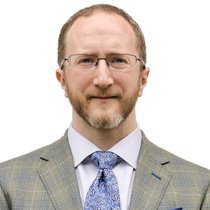
Aaron Boster,
M.D.
Dr. Aaron Boster, founder of The Boster Center for Multiple Sclerosis, is a board-certified neurologist
Read more
Aaron Boster,
M.D.
Founder, The Boster Center for Multiple Sclerosis
Dr. Aaron Boster, founder of The Boster Center for Multiple Sclerosis, is a board-certified neurologist specializing in multiple sclerosis and related central nervous system inflammatory disorders. He decided to become an MS doctor at age 12, as he watched his uncle Mark suffer from the disease in an era before treatment was available. Dr. Boster grew up in Columbus, Ohio, and attended Oberlin College.
He earned his M.D. at the University of Cincinnati College of Medicine and completed an internship in internal medicine and a residency in neurology at the University of Michigan. He then completed a two-year fellowship in clinical neuroimmunology at Wayne State University.
Since then, Dr. Boster has been intimately involved in the care of people impacted by multiple sclerosis. He has been a principal investigator in numerous clinical trials, trained multiple MS doctors and nurse practitioners, and published extensively in medical journals. He lectures to both patients and providers worldwide with a mission to educate, energize, and empower people impacted by MS. He lives in Columbus, Ohio, with his wife Krissy, son Maxwell, and daughter Betty Mae. Read more about Dr. Boster and his team at The Boster Center for Multiple Sclerosis.
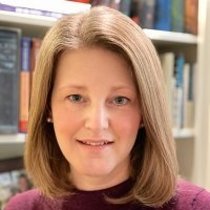
Jennifer Davis,
Ph.D., ABPP-CN
Jennifer Davis is a clinical neuropsychologist specializing in Alzheimer’s disease and related disorders, movement disorders,
Read more
Jennifer Davis,
Ph.D., ABPP-CN
Associate Professor, Alpert Medical School Brown University, Department of Psychiatry
Jennifer Davis is a clinical neuropsychologist specializing in Alzheimer’s disease and related disorders, movement disorders, epilepsy, and general medical neuropsychology. She completed her bachelor’s degree in biopsychology at Bates College and her Ph.D. in clinical psychology (with a neuropsychology specialization) at the University of Utah.
She came to Brown University in 2000 to complete her predoctoral internship in neuropsychology and remained as a clinical fellow in adult general medical neuropsychology at Rhode Island Hospital (RIH). After completing her clinical fellowship, she joined the neuropsychology staff in the department of psychiatry at RIH and remained at Brown as a Dementia T32 fellow to continue her research training in aging and dementia.
Her primary areas of research are in mild cognitive impairment and Alzheimer’s disease, including driving safety in individuals with early Alzheimer’s disease, psychosocial interventions to improve cognition and quality of life in individuals with Alzheimer’s disease, and dementia caregiver interventions.
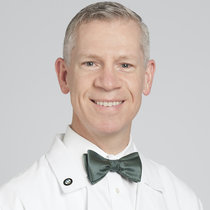
Robert Dean,
M.D.
Dr. Dean is a staff physician in the department of hematology and medical oncology at
Read more
Robert Dean,
M.D.
Medical Oncologist, Cleveland Clinic Taussig Cancer Institute
Dr. Dean is a staff physician in the department of hematology and medical oncology at the Cleveland Clinic Taussig Cancer Institute. Dr. Dean joined the Cleveland Clinic in 2005 after completing his training at the National Cancer Institute, where he developed a research interest in cellular therapy for lymphomas.
A graduate of the University of Pennsylvania School of Medicine, Dr. Dean serves as a medical student advisor and instructor at the Cleveland Clinic Lerner College of Medicine of Case Western Reserve University, where he is assistant professor of medicine and a member of the Case Comprehensive Cancer Center.
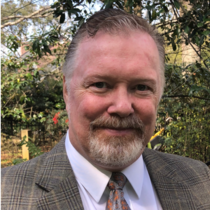
Jonathan C. Edwards,
M.D., M.B.A.
Dr. Jonathan C. Edwards is professor and chairman of neurology at the Medical University of
Read more
Jonathan C. Edwards,
M.D., M.B.A.
Chairman of Neurology, Medical University of South Carolina
Dr. Jonathan C. Edwards is professor and chairman of neurology at the Medical University of South Carolina. He completed his neurology residency at the University of Maryland and fellowship training in epilepsy and clinical neurophysiology at the Cleveland Clinic. After nine years on the faculty at the University of Michigan, the last two of which he served as president of the Michigan Neurological Association, Dr. Edwards joined the MUSC faculty in 2007 as director of the Comprehensive Epilepsy Center. As an epileptologist, Dr. Edwards’ clinical interests include epilepsy treatment, neurophysiology, neurostimulation, epilepsy surgery, functional brain mapping, neurological education, and improving access and quality of care for people with epilepsy.
Dr. Edwards is a member of the American Epilepsy Society, the American Academy of Neurology, and the American Clinical Neurophysiology Society. He recently served as president of the American Clinical Neurophysiology Society. Dr. Edwards has won numerous awards for teaching, research, and patient advocacy.
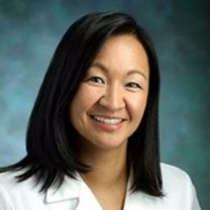
Josephine Feliciano,
M.D.
Dr. Josephine (Joy) Feliciano is an associate professor of oncology at the Johns Hopkins University
Read more
Josephine Feliciano,
M.D.
Associate Professor, Johns Hopkins University School of Medicine
Dr. Josephine (Joy) Feliciano is an associate professor of oncology at the Johns Hopkins University School of Medicine and a faculty member of the Johns Hopkins Kimmel Cancer Center. She serves as medical director of the Thoracic Oncology Program at Johns Hopkins Bayview Medical Center, as well as co-director of the outpatient oncology clinic at Johns Hopkins Bayview.
Dr. Feliciano completed both undergraduate and postgraduate medical training at Georgetown University, as well as residency training, where she was selected as chief resident. She spent three years at Northwestern completing clinical training in hematology and oncology, then joined the faculty at University of Maryland Greenberg Cancer Center.
At the University of Maryland, Feliciano focused on lung cancer screening and health disparities research for patients with lung cancer. While there, she also earned a certificate degree in the Epidemiology and Human Genetics Program for Clinical Investigation.

Sarah Gray,
Psy.D.
Dr. Sarah Gray is an Instructor of psychology at Harvard Medical School and a psychologist
Read more
Sarah Gray,
Psy.D.
Instructor of Psychology, Harvard Medical School
Dr. Sarah Gray is an Instructor of psychology at Harvard Medical School and a psychologist in the Department of Psychiatry at Massachusetts General Hospital. She also serves as a clinical health psychologist and director of outpatient rehabilitation psychology with the Department of Physical Medicine and Rehabilitation at Spaulding Rehabilitation Hospital in Boston, Massachusetts.
She is the director of Integrative Psychology, PC, in Arlington, Massachusetts, where she provides innovative and evidence-based therapy, coaching, consulting, and presentations.
Dr. Gray’s current clinical and research interests involve health psychology and behavioral medicine, chronic pain interventions, mindfulness for brain injuries, evidence-based integrative and complementary alternative medicine (CAM) approaches to wellness, stress-management interventions (such as mindfulness, biofeedback, neurofeedback, and clinical hypnosis), and subjects related to creativity and art therapy, learning styles, and the role of nutrition in mental health.

Iltefat Husain Hamzavi,
M.D., F.A.A.D.
Dr. Iltefat Husain Hamzavi is the co-director of the Multicultural section of Henry Ford Hospital’s
Read more
Iltefat Husain Hamzavi,
M.D., F.A.A.D.
Co-director, Multicultural Section, Henry Ford Hospital, Dermatology
Dr. Iltefat Husain Hamzavi is the co-director of the Multicultural section of Henry Ford Hospital’s Dermatology department. This is one of the largest units of its kind in the United States and has led to advances in the care of pigmentary and follicular disorders. He is also the lead physician for the Follicular Disorders Clinic in the Department of Dermatology at Henry Ford Health System. They have the first and largest vitiligo surgery center in the United States.
This unit was established after foundation funded studies showed that MKTP (melanocyte keratinocyte transplants procedure) to be a safe and effective option. The unit was also one of the lead sites in developing and implementing new protocols for the first new drug treatment of vitiligo. They are also the coordinating center for the Global Vitiligo Foundation (formerly the Vitiligo Working Group) which brings patients, clinicians, regulators and industry together to collaborate on finding better treatments. Despite these limited resources they have a track record of applying and developing new treatment options for even the most challenging vitiligo cases.
Their photobiology research unit is the underpinning of much of their work. They pioneered the role of visible light and pigmentation. Their full-time physicist and optics lab allows them to produce world class work which is cited in many journals and grant applications. He is moved by the patients that he sees in his clinic that have come to him after delay in diagnosis and disease management, and he is motivated to do further research.

Pearl E. Grimes,
M.D., F.A.A.D.
Dr. Pearl E. Grimes is the founder and director of the Vitiligo and Pigmentation Institute
Read more
Pearl E. Grimes,
M.D., F.A.A.D.
Founder and Director, Vitiligo and Pigmentation Institute of Southern California
Dr. Pearl E. Grimes is the founder and director of the Vitiligo and Pigmentation Institute of Southern California. She is a pioneer and a leading international authority on vitiligo and pigmentary disorders. Dr. Grimes is a clinical professor of dermatology at the David Geffen School of Medicine, University of California — Los Angeles. She has authored more than 100 professional articles and abstracts and two textbooks.
Dr. Grimes holds numerous achievements in dermatology. She has been recognized by her peers with the Dermatology Foundation Practitioner of the Year award and the Women’s Dermatologic Society’s Mentor of the Year award in 2011. She received the American Society of Dermatologic Surgery President’s Award in 2006. In 2016, she was recognized with an American Skin Association Research Achievement Award. She was also awarded the 2017 Arnold P. Gold Foundation Humanism in Medicine Award and the 2017 Everett C. Fox, M.D., Memorial Award and Lectureship Award. In addition, she was the recipient of the Lifetime Achievement Award from the American Skin Association for 2017.
She is an active member of multiple professional organizations including the American Academy of Dermatology, the American Society of Dermatologic Surgery, the American Dermatological Association, Society of Investigative Dermatology, the Dermatology Foundation, International Federation of Pigment Cell Societies, International Peeling Society, and the Women’s Dermatologic Society. Dr. Grimes was the president of the Women’s Dermatologic Society for 2018 and 2019. She has been included in LA Magazine’s Super Doctors list and the Best Doctors of America list for many years.
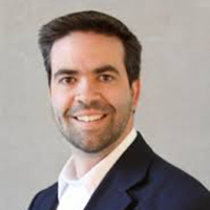
John E. Harris,
M.D., Ph.D
Dr. John E. Harris earned his medical degree and a Ph.D. in molecular medicine from
Read more
John E. Harris,
M.D., Ph.D
Director, Vitiligo Clinic and Research Center, University of Massachusetts Medical School
Dr. John E. Harris earned his medical degree and a Ph.D. in molecular medicine from the University of Massachusetts Medical School (UMMS) in Worcester, MA, where he also completed his medical internship. He completed his residency and fellowship at the Hospitals of the University of Pennsylvania in Philadelphia. Dr. Harris is board-certified in dermatology and is associate professor of dermatology at UMMS.
He is also the director of the Vitiligo Clinic and Research Center at UMMS, where he writes the blog “Speaking of Vitiligo …” The clinic and research center maintain two focuses: diagnosing and treating people with vitiligo, and conducting research into new vitiligo treatments. Dr. Harris serves in advisory positions on boards and committees including the Dermatology Foundation, the Skin of Color Society, the Global Vitiligo Foundation, the Vitiligo Research Foundation, the National Alopecia Areata Foundation, the American Academy of Dermatology, and the New England Dermatology Society, among others.
Dr. Harris is the author of numerous journal articles and chapters studying treatments, pathophysiology, and quality of life for people with vitiligo and other skin conditions.

Gabriela Hobbs,
M.D.
Dr. Gabriela Hobbs is currently an assistant professor at Harvard Medical School and the clinical
Read more
Gabriela Hobbs,
M.D.
Clinical Director of Leukemia Service, Massachusetts General Hospital
Dr. Gabriela Hobbs is currently an assistant professor at Harvard Medical School and the clinical director of the leukemia service at Massachusetts General Hospital. She was born and raised in Mexico City and moved to the United States for college. She completed her undergraduate degree in biotechnology and psychology at Tufts University and then attended medical school at Mount Sinai School of Medicine in New York. She completed her residency training in internal medicine at Brigham and Women’s Hospital in Boston, MA. Lastly, she completed her fellowship training in hematology and oncology at Memorial Sloan Kettering Cancer Center in New York.
She joined the faculty at Massachusetts General Hospital in 2014 and since then, she has established a clinic where she treats patients with leukemia — specifically CML and myeloproliferative neoplasms. Her research is dedicated to clinical trials in myeloproliferative neoplasms. The goal of her clinical and research efforts is to provide comprehensive care and innovative treatments to her MPN patients.
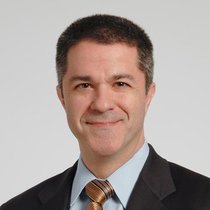
Matt Kalaycio,
M.D.
Dr. Matt Kalaycio is a board-certified hematologist and a professor in the Cleveland Clinic Lerner
Read more
Matt Kalaycio,
M.D.
Hematologist and Professor, Cleveland Clinic Lerner College of Medicine
Dr. Matt Kalaycio is a board-certified hematologist and a professor in the Cleveland Clinic Lerner College of Medicine at Case Western Reserve University. Dr. Kalaycio sits on the board of directors for the National Comprehensive Cancer Network (NCCN). His clinical interests include leukemia and hematopoietic cell transplantation, and he has published more than 200 research articles in scientific journals. Dr. Kalaycio is a former chairman of the department of hematology and medical oncology at the Taussig Cancer Institute at Cleveland Clinic, and he previously served as editor-in-chief of Hematology News. Dr. Kalaycio is a fellow of the American College of Physicians.
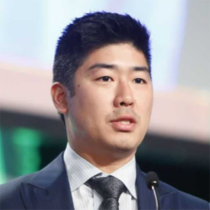
Brian S. Kim,
M.D.
Dr. Brian S. Kim is director of the Mark Lebwohl Center for Neuroinflammation and Sensation
Read more
Brian S. Kim,
M.D.
Director of the Mark Lebwohl Center for Neuroinflammation and Sensation, Icahn School of Medicine at Mount Sinai.
Dr. Brian S. Kim is director of the Mark Lebwohl Center for Neuroinflammation and Sensation and Vice Chair of Research of the Kimberly and Eric J. Waldman Department of Dermatology at Icahn School of Medicine at Mount Sinai. Key discoveries from the laboratory he led at the Washington University School of Medicine in St. Louis include the first identification of group 2 innate lymphoid cells (ILC2s) in the skin of both mice and humans, and their role in the pathogenesis of atopic dermatitis (AD) or eczema. Most recently, he has discovered how the immune system directly regulates sensory neurons to modulate the sensation of itch and how natural killer (NK) cells may be used as an immunotherapy strategy for AD. These studies have revealed novel therapeutic strategies which have led to successful clinical trials for new drugs for AD. He has multiple patents pending that led to the formation of Nuogen Pharma, Inc. that is developing JAK inhibitors for chronic pruritus. Dr. Kim’s research on innate immunity and neuroimmune regulation of AD and itch has led to awards and funding from the National Institutes of Health, Doris Duke Charitable Foundation, American Skin Association, American Academy of Dermatology, American Society for Clinical Investigation, American Dermatological Association, and the International League of Dermatology Societies. Dr. Kim has a Master of Science in Translational Research from the University of Pennsylvania. He is a fellow of the American Academy of Dermatology.
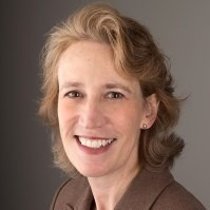
Alexa B. Kimball,
M.D., M.P.H.
Dr. Alexa B. Kimball is CEO and president of Harvard Medical Faculty Physicians at Beth
Read more
Alexa B. Kimball,
M.D., M.P.H.
CEO and President, Harvard Medical Faculty Physicians, Beth Israel Deaconess Medical Center
Dr. Alexa B. Kimball is CEO and president of Harvard Medical Faculty Physicians at Beth Israel Deaconess Medical Center, a $670 million academic multispecialty 501(c)3 corporation with 2,000 employees. The group employs 1,750 physicians who practice in the Boston area, two-thirds of whom are Harvard Medical School faculty.
She co-chairs the Beth Israel Lahey Health Performance Network board (1.3 million members served), and is on the board of trustees of Beth Israel Lahey Health.
A professor of dermatology at Harvard Medical School, Dr. Kimball’s research includes psoriasis and hidradenitis suppurativa. She has published over 300 papers, conducted over 150 clinical trials, and has extensive experience in drug development. Dr. Kimball is the author of “100 Questions and Answers about Psoriasis” (available in Spanish, Greek, and Korean) and “Hidradenitis Suppurativa: Your Questions, Expert Answers,” and the editor of “Dermatologic Diseases and Cumulative Life Course Impairment.”
In recognition of her research on physician workforce economics, quality of life, and outcomes, she was awarded the American Skin Association Research Award for Health Policy and Medical Education and the Massachusetts General Hospital Nathaniel Bowditch Prize. Other awards include Mentor of the Year and an Outstanding Physician-Clinician Award. Dr. Kimball has served on the nonprofit boards of the Society for Investigative Dermatology, the Massachusetts Foundation for the Humanities and Public Policy, and the Hidradenitis Suppurativa Foundation. She is the recent past president of the International Psoriasis Council.
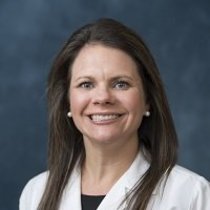
Jami Kinnucan,
M.D.
Dr. Jami Kinnucan is a specialist in inflammatory bowel disease at Michigan Medicine, University of
Read more
Jami Kinnucan,
M.D.
Clinical Assistant Professor, Michigan Medicine, University of Michigan
Dr. Jami Kinnucan is a specialist in inflammatory bowel disease at Michigan Medicine, University of Michigan. She focuses on the diagnosis and management of patients with Crohn’s disease and ulcerative colitis, and she has an interest in both provider and patient education. She currently serves as the chair of the Patient Education Committee for the Crohn’s and Colitis Foundation. She has research interests in colon cancer, sleep, and cannabis use in IBD.
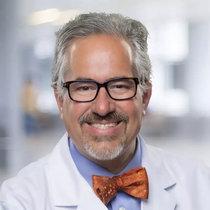
Ruben Mesa,
M.D.
Dr. Ruben Mesa is the director of UT Health San Antonio MD Anderson Cancer Center,
Read more
Ruben Mesa,
M.D.
Director, UT Health San Antonio MD Anderson Cancer Center
Dr. Ruben Mesa is the director of UT Health San Antonio MD Anderson Cancer Center, one of only four National Cancer Institute-designated cancer centers in Texas. Dr. Mesa’s practice builds on his role as an international expert on myeloproliferative neoplasms (MPNs). He has been involved in MPN research for more than 20 years.
He led the development of National Comprehensive Cancer Network’s panel guidelines, the first U.S. guidelines on the diagnosis and treatment of myelofibrosis, polycythemia vera, and essential thrombocythemia.
Dr. Mesa has been the principal investigator or co-principal investigator of more than 70 clinical trials. He co-led the research team leading to the FDA’s approval of ruxolitinib for polycythemia vera and myelofibrosis. He is currently leading the investigation of several other drugs for these types of cancers. After earning degrees in nuclear engineering and physiology from the University of Illinois at Urbana-Champaign, Dr. Mesa received his medical degree from the Mayo Graduate School at the Mayo Clinic College of Medicine in Rochester, Minnesota. He completed his residency in internal medicine and his fellowship in hematology/medical oncology at Mayo. He is a fellow of the American College of Physicians and is certified by the American Board of Internal Medicine in hematology and medical oncology.
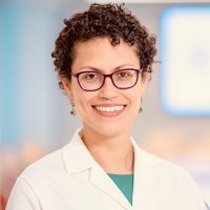
Iris Navarro-Millán,
M.D.
Dr. Iris Navarro-Millán is an assistant professor of medicine at Weill Cornell Medicine and the
Read more
Iris Navarro-Millán,
M.D.
Assistant Professor, Weill Cornell Medicine
Dr. Iris Navarro-Millán is an assistant professor of medicine at Weill Cornell Medicine and the Hospital for Special Surgery in New York City. She is a rheumatologist with expertise in rheumatoid arthritis (RA). She has a Master of Science in public health with a focus on outcomes research. Her research program focuses on clinical outcomes of people with rheumatoid arthritis and implementation science, with a focus on using peer coaches. Peer coaches are individuals with RA who are trained to coach others with RA on concepts related to self-care and cardiovascular disease. Dr. Navarro-Millán is funded by the National Institutes of Health (NIH) and the Rheumatology Research Foundation to conduct research using peer coaches as the main tool to implement behavioral interventions.

Amaal J. Starling,
M.D.
Dr. Amaal Starling is a migraine specialist who serves as associate professor of neurology at
Read more
Amaal J. Starling,
M.D.
Associate Professor of Neurology, Mayo Clinic
Dr. Amaal Starling is a migraine specialist who serves as associate professor of neurology at the Mayo Clinic in Scottsdale, Arizona. She studies primary and secondary headache disorders, including migraine and post-traumatic headaches. This includes understanding underlying pathophysiology, establishing clinical phenotypes, and exploring novel therapeutics for headache disorders.
Dr. Starling has a special interest in exploring non-drug options for the treatment of migraine, including neuromodulation devices such as single-pulse transcranial magnetic stimulation.
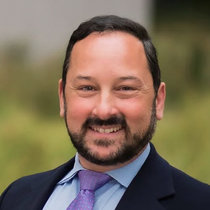
Jonathan Strober,
M.D.
Dr. Jonathan Strober earned his medical degree from the Lewis Katz School of Medicine at
Read more
Jonathan Strober,
M.D.
Co-director, Center for the Study of Itch and Sensory Disorders
Dr. Jonathan Strober earned his medical degree from the Lewis Katz School of Medicine at Temple University and completed a residency in pediatrics at the Long Island Jewish Medical Center. He completed a fellowship in child neurology at the University of Pennsylvania’s Perelman School of Medicine, followed by a fellowship in neuromuscular disorders at Emory University School of Medicine. Dr. Strober is board-certified in neurology with a special qualification in child neurology. He also has advanced training in electromyography, which is used to evaluate people with suspected neuromuscular disorders. Dr. Strober is the director of child neurology services at the Neuromuscular Clinic at UCSF Benioff Children’s Hospital, which is sponsored by the Muscular Dystrophy Association. Dr. Strober conducts research on potential new therapies for children with neuromuscular and mitochondrial disorders.
Dr. Strober is the author of numerous journal articles studying spinal muscular atrophy and other neuromuscular and neurological conditions.